
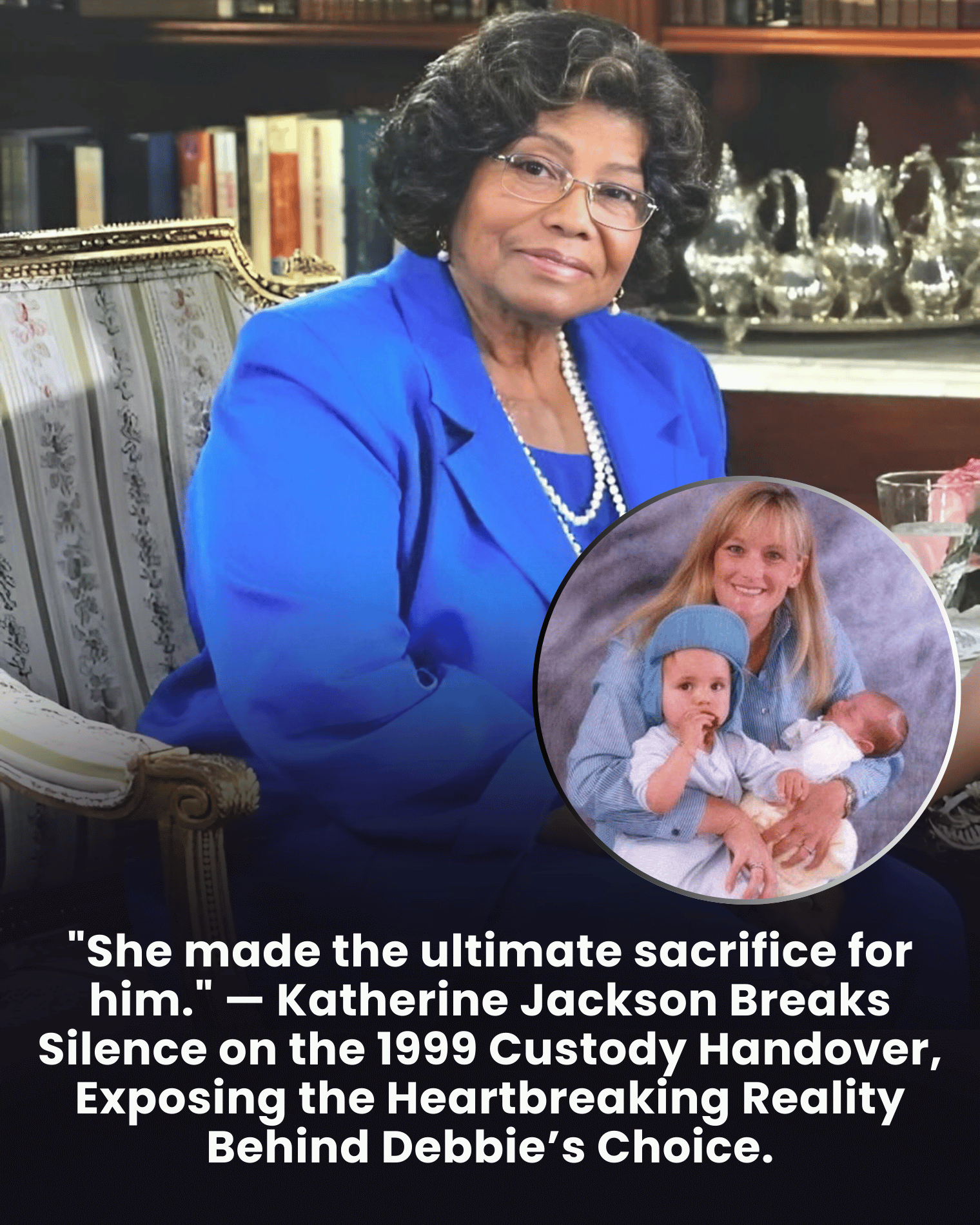
For decades, the personal life of Michael Jackson has been the subject of intense media scrutiny, often blurring the line between public speculation and private reality. One of the most controversial chapters involved the custody arrangements surrounding his two eldest children, Prince and Paris, and the role of their mother, Debbie Rowe. While tabloids at the time portrayed the situation as a cold transaction, Jackson family matriarch Katherine Jackson later suggested the truth was far more emotional and complicated.
Michael Jackson married Debbie Rowe in 1996. Rowe, a dermatology nurse whom Jackson had known for years, became the mother of the singer's first two children: Prince Jackson, born in 1997, and Paris Jackson, born in 1998. At the time, the marriage and family arrangements drew enormous attention from the press, with many outlets speculating about the nature of their relationship and Rowe's motivations.
Three years after their marriage, Jackson and Rowe divorced in 1999. As part of the legal agreement, Rowe signed over primary custody rights of the children to Michael Jackson. The decision immediately became headline news. Sensational reports framed the arrangement as if Rowe had willingly "given up" her children in exchange for financial compensation, fueling a narrative that portrayed her as distant or indifferent.
However, according to Katherine Jackson, who witnessed the situation from within the family, the reality behind that decision was much more painful.
Katherine later described the emotional difficulty surrounding the custody handover. She recalled that Rowe was fully aware of Michael Jackson's lifelong desire to become a father. For years, Jackson had spoken openly about wanting children and building a family of his own, something he believed would bring him a sense of purpose and stability amid the extraordinary pressures of global fame.
From Katherine's perspective, Rowe recognized how deeply important fatherhood was to Michael. The family matriarch suggested that Rowe's decision came from the belief that Jackson's devotion to his children would provide them with a loving environment. According to Katherine, the moment Rowe signed the legal documents was not one of detachment but of visible emotion and difficulty.
Despite that, public perception remained harsh for many years. The media narrative that framed Rowe's actions as abandonment overshadowed the more personal story that those close to the family remembered. Rowe largely avoided the spotlight afterward, allowing the criticism and speculation to continue without responding publicly for long stretches of time.
In later interviews, Rowe herself acknowledged that her decision was tied to the unique circumstances surrounding Jackson's life and their relationship. She maintained that the arrangement had been made with the understanding that the children would be raised in a stable environment with their father.
For Katherine Jackson, the experience highlighted how dramatically public narratives can diverge from private realities. The headlines focused on scandal and money, while the people involved were navigating complicated emotions and deeply personal decisions.
Looking back, Katherine's reflections suggest that what appeared to the outside world as a shocking custody arrangement may have been, in her eyes, an act shaped by empathy, sacrifice, and a belief that Michael Jackson's love for his children would guide their upbringing.